Are Private Communities the Future of Social Media?
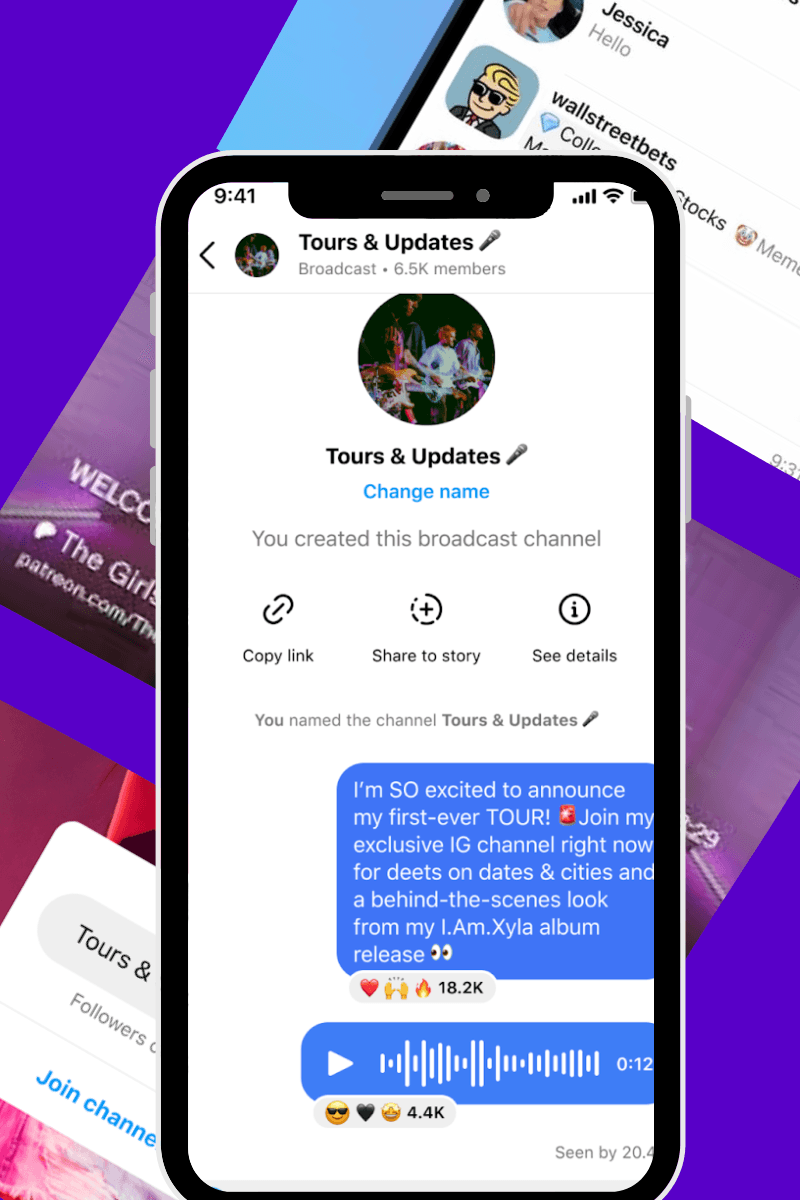
Whether it’s invite-only Discord servers, broadcast channels on Instagram, or even exclusive member YouTube content, it’s hard to deny that there’s an increasing demand for more private pockets of social media that allow users to connect on a deeper level.
These spaces offer brands, influencers, and everyday users a way to engage with their audience on a more meaningful level without the noise of the algorithm. But does this signal the beginning of the end for public social platforms, or will private communities simply become an essential part of a brand’s digital strategy?
In this blog, we’ll explore why users are moving away from traditional social platforms, how brands and influencers are leveraging private communities, and whether this trend is here to stay.
The Rise of Private Communities
Anyone familiar with the gaming or streaming space will know the likes of Discord, which was one of the main early contenders for private communities. But in the last few years, legacy social media channels have introduced features to create these niche communities.
Instagram released broadcast channels for creators in 2023, which allowed creators to make a group space on Instagram where they could connect with their followers on a deeper level.
It’s not just Instagram that creators are leaning towards however, platforms like Patreon, Telegram and even WhatsApp are being incorporated into influencer and social media marketing strategies to allow brands and creators to connect with the people who are listening.
Why Are Users Moving Away from Public Platforms?
Brands, creators, and users are all feeling the algorithm fatigue. A constantly changing landscape means it’s harder for users to find and engage with content they really want, while for brands and creators, it means that reaching these users organically is a hard task without the investment of paid ads.
This constant battle with the algorithm is pushing users toward private communities, where they can control their experience and engage more authentically.
Not only that, but with rising awareness around data tracking, misinformation, and security breaches, many users are seeking safer, more controlled spaces to connect. Platforms like WhatsApp groups, Telegram channels, and Discord servers offer more privacy, fostering a sense of trust that public platforms struggle to provide.
How can brands and creators leverage private communities?
More creators and brands are moving their most valuable content behind closed doors. Whether it’s paid Substack newsletters, Patreon memberships, or subscriber-only Instagram stories, users are willing to invest in exclusive content that feels personal, premium, and ad-free.
For brands, there’s a huge opportunity to tap in to communicate their most important messages to their audience. Many brands and creators are using private groups to offer exclusive content, early product launches, or behind-the-scenes insights.
Being able to have that 1:1 connection with their audiences means things like exclusive access to products, content or even discounts work so much more effectively as they are directly landing in the lap of someone who is engaged and ready to take action.
Not every private community needs to be on the same platform. A fashion brand might thrive on Instagram Close Friends and private broadcasts, while a fitness coach might find success with a WhatsApp group or a paid Substack newsletter. Understanding where your audience naturally engages is key to building a community that feels authentic and valuable.
A fad or the future?
Private communities aren’t just a trend, they’re a shift in how brands and influencers build long-term relationships with their audiences. As public platforms continue to prioritize paid reach over organic growth, investing in a community-first strategy could be the key to future-proofing your brand.
At NewGen, we specialize in creating future-proofed, social-first strategies. Get in touch to discover how private communities can elevate your brand’s engagement and retention.