Are we facing a future with no social?
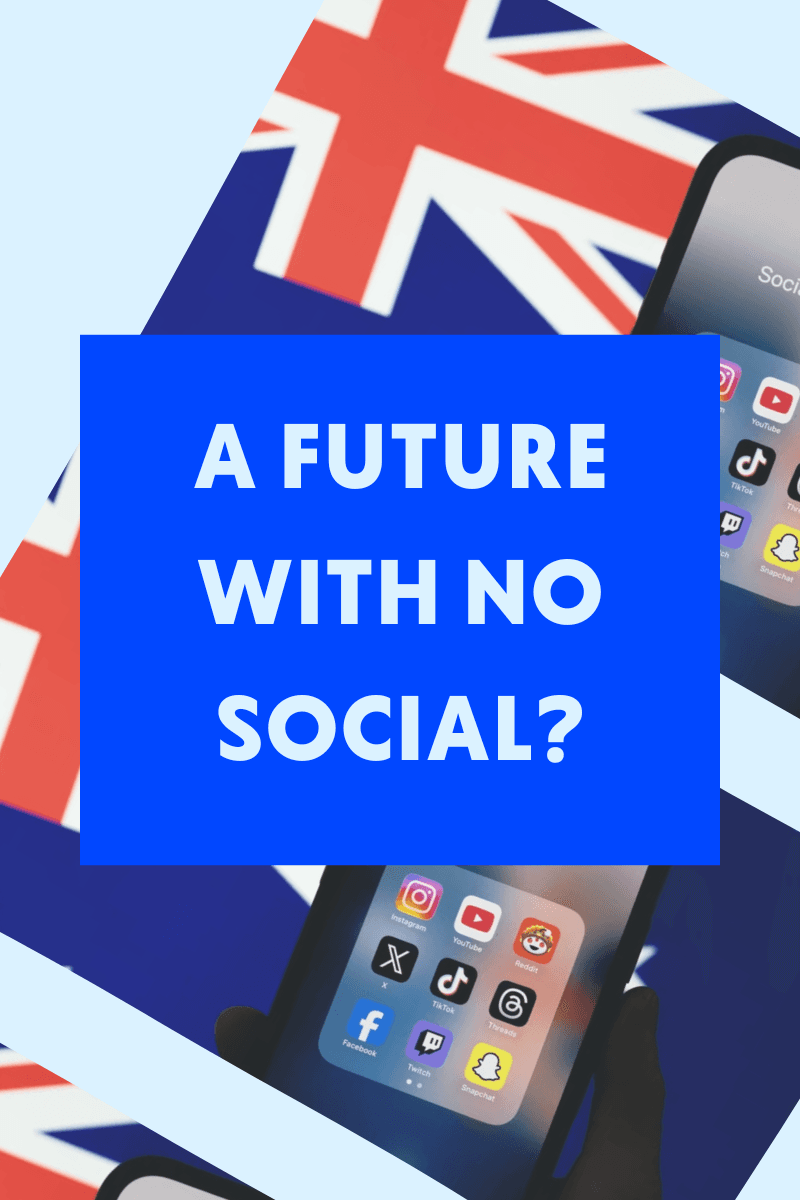
Under the new rules, platforms including TikTok, Instagram, Facebook and YouTube are now legally required to block underage users with significant penalties for those who fail to comply. What might have once sounded hypothetical is now law, and the implications for young people, culture and the digital ecosystem are enormous.
But for brands and advertisers, this moment represents something even bigger: a fundamental shift in how audiences can be reached, influenced and engaged.
The sandcastles are crumbling
The biggest risk a brand has is putting all of its eggs into one advertising basket. What good is a social media strategy if there’s no social media to post it on?
We saw something similar when the US posed a potential ban of TikTok, with many losing their livelihoods overnight.
A Turning Point for Social Media
For over a decade, social platforms have operated under the assumption of universal access. Teens have shaped trends, driven virality, built creators, and influenced global culture, often more than any other cohort.
Australia’s new legislation disrupts that completely.
It marks the beginning of an era where social media might not be available to an entire generation, at least not in the way we’re used to. And while the move is rooted in online safety and mental health concerns, its ripple effects reach far beyond regulation.
What This Means for Brands
For marketers, this isn’t simply a policy update – it’s a signal that the rules of digital engagement are changing.
1. Youth targeting will need to be reimagined
Traditional paid and organic reach to under-16 audiences on major platforms will become significantly more limited. Brands will need to find new ways to speak to young audiences across:
- Youth-safe digital environments
- Creator partnerships (with content tailored for older audiences)
- Gaming ecosystems
- Controlled community platforms
- Real-world brand experiences
2. First-party data becomes even more important
As access to younger consumers narrows, brands with strong CRM ecosystems, loyalty programmes and consent-based data will have an advantage.
3. Content strategies will shift
This moment invites a move away from passive scrolling strategies towards more intentional, value-led digital content:
- Educational formats
- Entertainment-driven storytelling
- Long-form video
- Podcast ecosystems
- Branded content hubs
The brands that win will be those who diversify channels, not depend on the endless feed.
4. Other regions may follow
With similar conversations already emerging globally, this may not remain an Australia-only event for long. Brands operating internationally should expect:
- Fragmented regulations
- Increased scrutiny of youth content
- Platform-specific safety evolutions
- More pressure on brands to prove digital responsibility
In other words: prepare now.
A Catalyst for a New Digital Era
Whether you agree with the ban or not, one thing is undeniable: the social landscape is shifting.
This moment proves that social media isn’t as invincible—or as permanent—as we once assumed. Regulation is catching up. User expectations are changing. And digital behaviour is evolving.
For brands and advertisers, the next phase is about staying agile, data-driven and audience-aware. Those who adapt early will be the ones who continue to build meaningful, long-term relevance.