Gen Z Is Redefining Luxury Travel
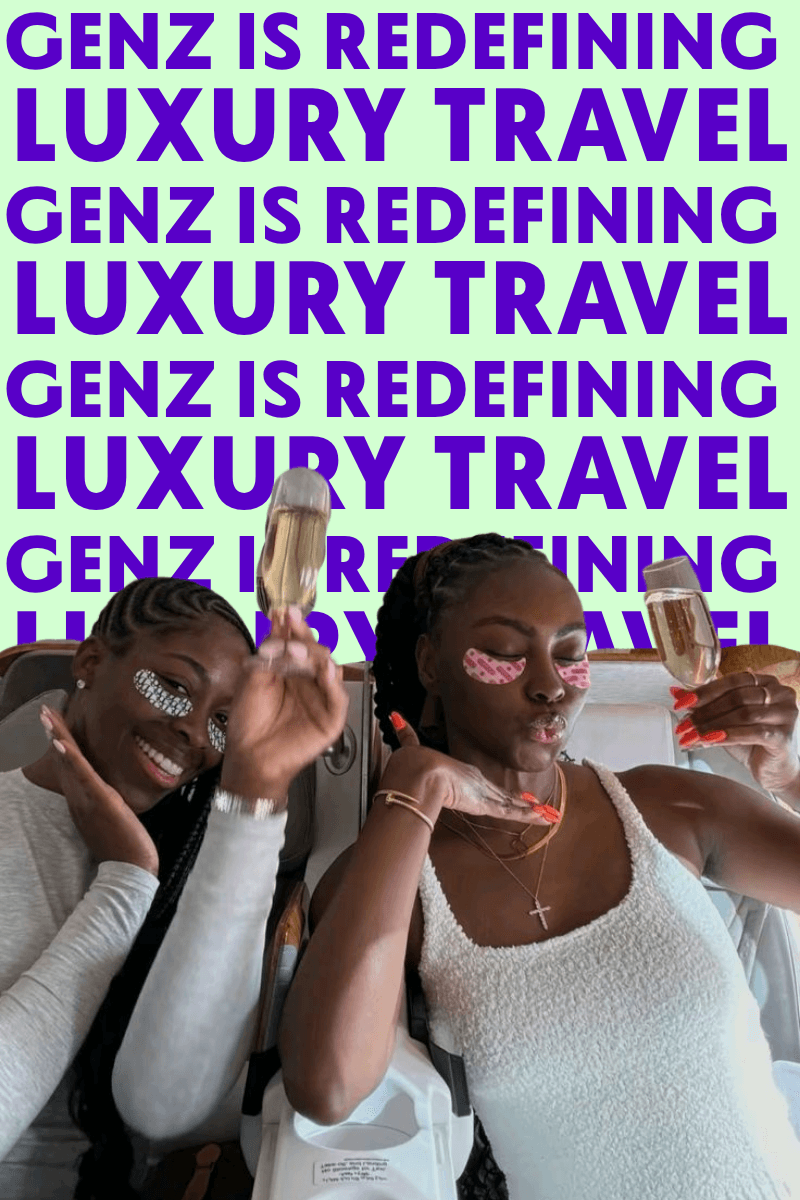
What Gen Z Actually Means By Luxury
The traditional luxury travel formula was built on aspiration, the fantasy of a lifestyle most people couldn’t access. The thread count, the Michelin stars, the name recognition. Luxury as status. Luxury as arrival.
For Gen Z, that formula lands differently. This is a generation that has grown up with access to more information, more images, and more other people’s holiday content than any before it. The aspirational image of the infinity pool is everywhere. It’s been seen a thousand times. It doesn’t create desire in the same way it once did.
What creates desire for this audience is specificity. Thirty-nine percent of Gen Z travellers say they’ll stay in accommodation that’s part of the experience or destination rather than just near it. More than 80% of American Gen Z travellers actively look for unique experiences when booking. They’re saving money on flights, viewing them as a means to an end, to spend more on local food, culture, and activities once they arrive. The luxury has moved from the room to what the room gives them access to.
The renovated heritage building with a story behind it. The boutique property where the chef sources from the market around the corner. The hotel that hosts local artists, puts on events for the neighbourhood, and feels like it belongs somewhere rather than floating above it. That’s the new premium. And it’s almost impossible to communicate in a polished brand photoshoot.
How They’re Discovering and Booking
The way Gen Z finds travel has implications for every hotel with a marketing budget. TikTok is the leading source of travel inspiration for this audience at 52%, ahead of Instagram and YouTube. Forty percent book a trip as a direct result of TikTok content. Eighty-eight percent follow at least one travel creator. And more than one in four are already bypassing OTAs entirely, going direct to hotel websites rather than booking through Expedia or Booking.com.
That last point is significant. An audience that trusts what it finds through creators more than what it finds through aggregators is an audience that can be reached directly, if the brand has built enough presence and trust to be worth going to directly. The hotels winning direct bookings from Gen Z aren’t just offering better rates. They’re offering a relationship, a story, a reason to feel like booking with them specifically is the right choice.
The content that drives this isn’t campaign content. It’s a creator wandering the hotel’s neighbourhood at dusk and talking honestly about what the place feels like. It’s a short video of the breakfast sourced from three streets away. It’s the kind of content that makes someone feel like they’ve been let in on something, rather than sold to.
What Good Looks Like
The hotels getting this right have understood that the experience and the marketing are not separate things. They’re the same thing, just captured at different moments.
The approach that works is showing the hotel through the lens of the place it’s in, not as a destination in its own right, but as the best possible way to access a destination. Local pop-ups in communal spaces. Collaborations with nearby makers, chefs, and artists. Events that residents of the city would actually want to attend. This positions the hotel not as a bubble above its surroundings but as a genuinely integrated part of them, which is exactly what Gen Z is looking for, and exactly what no amount of white linen photography can communicate.
On the creator side, the shift is toward smaller, more specific voices rather than celebrity endorsements. A travel creator with 40,000 followers who genuinely loves boutique properties and documents them with personality and honesty will do more for a hotel with the right audience than a mega-influencer who posts the same infinity pool shot at every property they visit. The trust differential is real, and Gen Z knows the difference immediately.
The Marketing Needs to Change Too
None of this works if the marketing is still trying to sell the old version of luxury to an audience that’s already moved on.
The content needs to be specific, not aspirational in a generic sense. It needs to show the thing that only this hotel, in this place, at this moment can offer. It needs to sound like a person, not a brand. And it needs to live on the platforms where Gen Z is actually making travel decisions, TikTok, Instagram, and increasingly through the recommendations of creators they trust more than any paid ad.
The direct booking opportunity is real and growing. But capturing it requires being present and credible in the spaces where decisions are forming, which means showing up consistently with content that earns attention rather than buying it. A hotel that invests in a genuine creator strategy, long-term partnerships with voices that align with the property’s actual identity, is building an audience that will book directly, come back, and tell other people.
That’s not a different kind of marketing for Gen Z. That’s just better marketing, full stop.
Thinking about how to reach the next generation of luxury travellers? That’s a conversation worth having. Get in touch.