How UGC Revived The Travel Industry
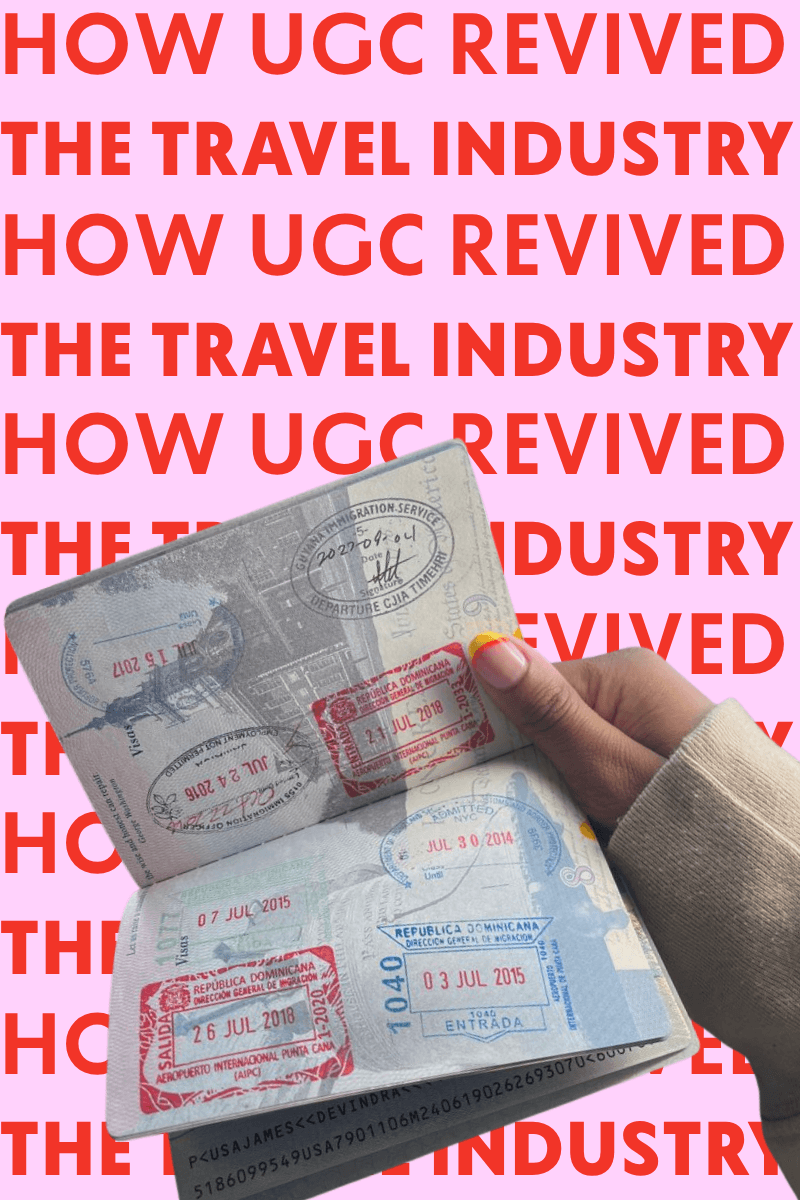
From Brochures to Broadcasts
Cast your mind back to how travel used to work. You’d flip through a brochure, read a TripAdvisor review from “Dave from Wolverhampton,” and hope it was still accurate. The process was slow and controlled by institutions, airlines, hotel chains, and travel agencies, who owned the narrative.
Then came the era of creators. Travel bloggers, then YouTube vloggers, then Instagram, then TikTok, each platform compressing the decision-making journey further. What took weeks of research now takes a 90-second Reel. The power to inspire shifted from brands to people, and the industry had to adapt or become irrelevant.
The Trust Economy
The reason UGC works so effectively in travel comes down to trust, specifically, the collapse of trust in traditional advertising. Audiences have always traveled on recommendation, it makes the unknown easier. What started as simple one-line reviews, have turned into full blown edited videos, with specific recommendations on accommodation, restaurants and activities.
When a hotel posts a perfectly lit photo of their pool, most people understand it’s marketing, but when a creator posts a 4am airport selfie, a shaky video of a missed connection, and then a genuinely stunned reaction to a sunrise they weren’t expecting, that’s something different. That’s a person and we trust people.
Creators, whether they have 400k followers or 4,000, operate with an authenticity no brand campaign can manufacture. The imperfections are the point. Honest takes on overpriced tourist traps, the “I almost didn’t come here” moments: this is the content that converts, because it mirrors how we actually talk to friends about where to go.
Micro-influencers have become travel’s secret weapon. A niche hiking creator recommending a guesthouse in Slovenia carries more booking power, for the right audience, than a full-page spread in a travel magazine ever did.
The Speed of Inspiration
The traditional travel funnel was long: awareness, consideration, research, booking, stretched across weeks or months. UGC has collapsed it dramatically. A compelling TikTok can move someone from “I’ve never heard of this place” to “flights booked” in the same evening. In-app booking links and affiliate partnerships have made the gap between inspiration and action almost frictionless.
This has created a new kind of travel behaviour, reactive, spontaneous, driven by the algorithm rather than a brochure, much like social behaviour. Destinations that go viral see surges in bookings within days, and tourism boards now monitor social platforms in real time. The question has shifted from “where should we advertise?” to “how do we get creators to choose us?”
Destinations Built by the Internet
Many places didn’t just benefit from this shift, they were essentially built by it.
The Faroe Islands, Tbilisi, the Azores, Cappadocia, these aren’t new destinations, but their rise to bucket-list status is inseparable from the creator economy. A handful of well-placed videos can put an unknown location on the global map in months. Word of mouth at unprecedented scale.
The flip side is overtourism. The very qualities that made a place photogenic, quiet, authenticity, lack of crowds, can be eroded by the attention. Hallstatt in Austria now has signs asking visitors not to photograph certain streets. UGC giveth, and UGC taketh away.
The Expectation Gap
When a destination has been pre-curated through hundreds of hours of content, the exact coffee shop, the exact viewpoint, the exact time of day, the real experience is measured against a constructed ideal. Creators show the highlights: no queues, no rain, always golden hour.
This is what some call the “expectation gap”, a growing disconnect between travel as presented online and travel as lived. Travellers arrive with a shot list rather than an open mind. Some creators are pushing back with honest, unglamorous content, but the dominant mode remains aspirational, and aspirational sets high bars.
What the Industry Learned
The savviest players stopped trying to control the message and started facilitating the moment, redesigning spaces with “Instagrammable” features, building creator-in-residence programmes, cultivating micro-influencers over macro-celebrities. The goal shifted from advertising to travellers to giving creators something worth filming.
The mature version of travel influencer marketing isn’t a brand paying for a post. It’s a destination co-creating with the creator ecosystem. The best partnerships feel like neither, and that’s when they work.
Final Thoughts
The travel industry isn’t just recovering from the disruption of UGC, it’s been revived by it. The pandemic years were followed by a travel boom, partly pent-up demand, partly years of algorithmically curated wanderlust finally acted upon. People had spent two years watching travel content, and when borders reopened, they booked.
The next frontier is AI-generated travel content, which could democratise inspiration, or flood the ecosystem with content that looks authentic but isn’t. Trust, the whole engine of this story, will be the thing to watch. But for now, the core truth holds: the most powerful marketing tool in travel is a person with a phone, a genuine reaction, and an internet connection.
Want to make UGC work for your travel brand? Get in touch and let’s talk.