Luxury Brands are Entering Gaming: What Marketers Need to Know
From Experiment to Strategy
Luxury brands have always been a little picky about where they show up since exclusivity and visual identity is everything. Gaming, surprisingly, aligns with that. Immersive worlds, avatar customization, and highly engaged communities give brands the chance to shine without losing that premium feel.
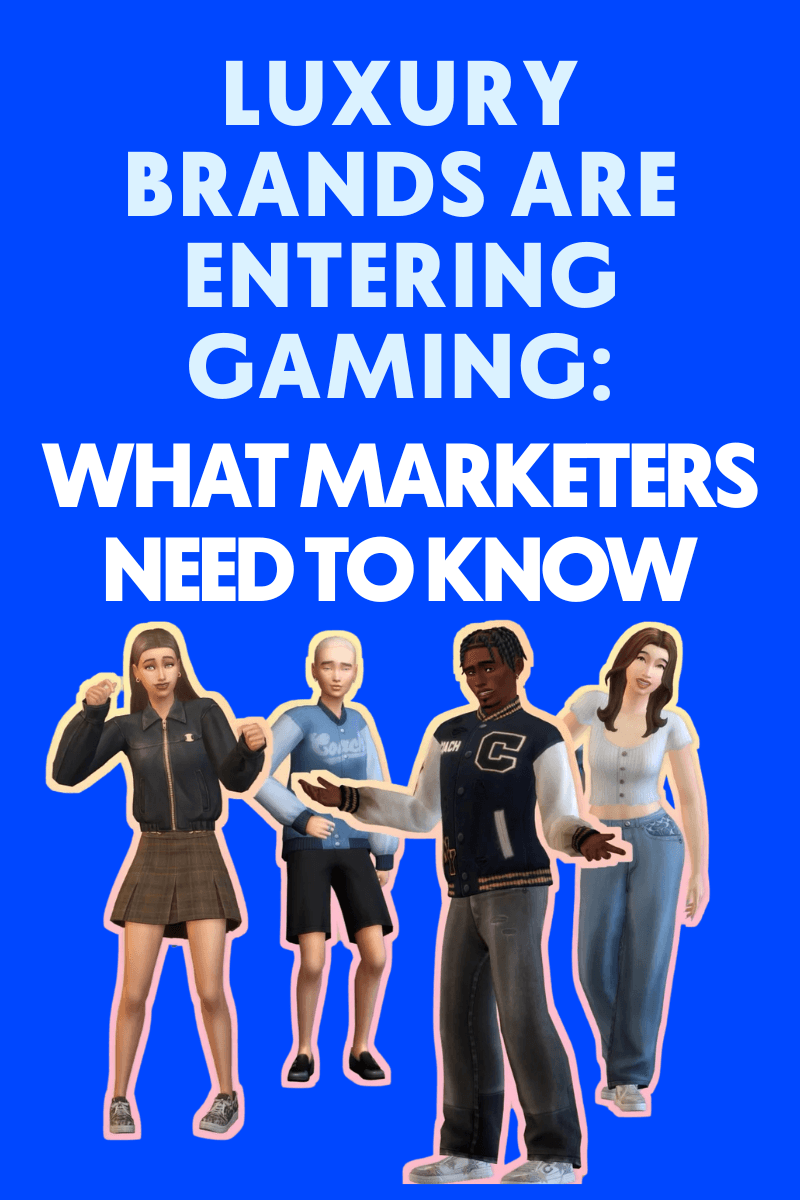
What started as fun experiments has now turned into a solid gaming marketing strategy. Coach’s collab with The Sims 4 is a perfect example of this shift: it’s not a one-off stunt. It’s a fully integrated experience that lets players engage with the brand in a natural, creative way.
Why Gaming Marketing Works for Luxury
At first glance, gaming and luxury might seem like an odd pair. But think about how younger audiences interact with brands: their digital identity matters as much as their real-life style. Avatars, virtual spaces, and in-game experiences are ways to express themselves and luxury brands fit right into that.
The magic of gaming marketing is engagement. Instead of just seeing an ad, people wear it, style it, and make it part of their digital life. That interaction builds connection, relevance, and long-term loyalty, something static ads just can’t touch. Plus, it gives luxury brands a chance to plant seeds with younger audiences who could become future customers.
Moving Beyond Hype
Sure, early gaming activations were all about the “wow” factor and headlines. But the smart brands are thinking bigger now. They’re asking: how can gaming support bigger marketing goals like storytelling, community building, and long-term engagement?
Coach x Sims 4 shows how it’s done. The campaign wasn’t a one-week stunt for press coverage, it lived in a platform where users create and share content all the time. Players basically became brand ambassadors by interacting with the items, generating content, and spreading the word organically.
Where This Is Headed
Gaming marketing isn’t slowing down, it’s evolving. Expect more seamless integrations: virtual storefronts, interactive storytelling, and co-created experiences. Advances in tech, like digital fashion and real-time rendering, will let brands maintain consistent identities across digital and physical worlds. For luxury brands, this opens doors to things like limited-edition digital items and exclusive experiences.
As gaming goes mainstream, these strategies will influence a wide range of industries, not just luxury.
What Non-Luxury Brands Can Learn
You don’t need a designer budget to play in this space. The key is understanding the environment and creating experiences that feel natural.
- Integration over interruption – Don’t just drop an ad; make your brand part of the experience. Think custom items, events, or creator collabs that enhance the game.
- Community matters – Gamers are super engaged and loyal. Support their creativity, partner with creators, and encourage user-generated content.
- Think long-term – One-off stunts can be fun, but the real payoff comes from building a presence over time. Learn what works, refine, and grow those audience relationships.
Final Thoughts
Gaming is no longer just entertainment. It’s a cultural and social space where people spend time, express themselves, and connect with others. For luxury brands, entering this space is about more than visibility. It’s about relevance. By integrating into gaming environments in thoughtful, creative ways, brands can build relationships that extend beyond traditional campaigns.
The rise of collaborations like Coach x Sims 4 shows that gaming marketing is evolving into a serious strategic channel. As more brands explore what’s possible, the focus will continue to shift from hype to meaningful engagement. For marketers across industries, the message is clear: gaming is not a trend to watch from the sidelines. It’s a space to understand, invest in, and build within.
Ready to get in the game? Get in touch with NewGen today and start connecting with your audience where they actually are.