The Future of AI Influencers
What Are AI Influencers?
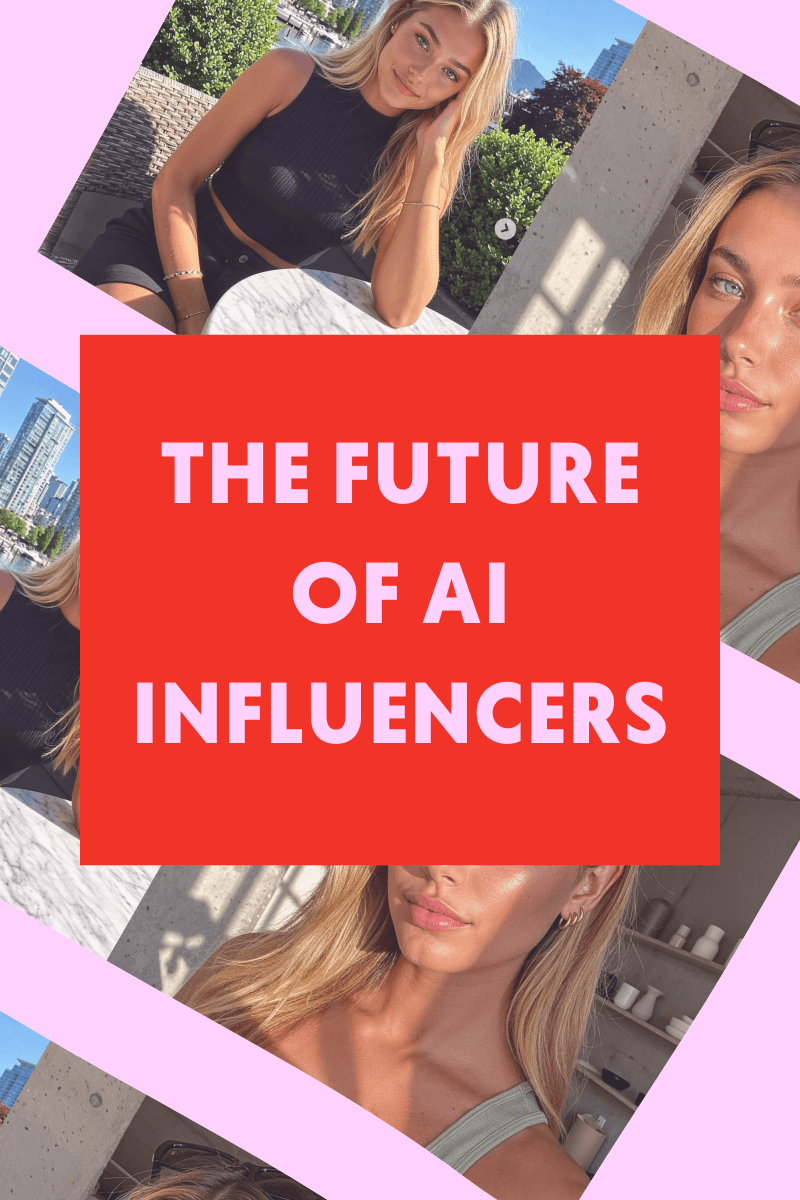
At their core, AI influencers are digital personas, sometimes photorealistic, sometimes stylised, that post, interact, and “live” online. Unlike human influencers, they don’t need sleep, vacation days, or brand safety reminders. Their creators can carefully control every move, every collaboration, and every storyline.
Some are run more like marketing avatars, designed for campaigns and product launches. Others, powered by AI chat systems, interact with fans in real time, blurring the line between character and conversation.
Audience Appetite Is Growing
The real surprise is that consumers are engaging with AI influencers willingly. Gen Z and Gen Alpha, in particular, don’t see a big distinction between digital and “real” personalities. They already form para-social bonds with fictional characters on shows and games; AI influencers simply extend that into social media.
That means campaigns fronted by AI personalities can feel fresh and futuristic, if done right. But authenticity remains key: audiences will spot inauthentic storytelling quickly. A digital face alone won’t guarantee impact; the narrative behind it matters.
Why AI Influencers Matter for Brands
- Consistency without risk: AI influencers won’t get caught in scandals, ghost a campaign, or misalign with brand values. Every post is engineered to fit the brand brief.
- Global reach, low friction: An AI influencer can post in multiple languages, appear in multiple digital campaigns simultaneously, and work across time zones. No travel budget, no jet lag.
- Creative flexibility: Want your influencer on Mars, surfing a holographic wave, or seamlessly wearing your new collection before it hits shelves? AI can make it happen instantly.
For marketers used to juggling unpredictable schedules and negotiating human limitations, this level of control is appealing.
How Brands Can Capitalise
- Experiment with Hybrid Campaigns; Don’t abandon human creators, pair them with AI influencers. These juxtapositions spark conversation.
- Build Owned Digital Ambassadors; A digital ambassador can act as a spokesperson across platforms, carry a unique brand voice, and evolve with audience feedback.
- Use AI Influencers for Storytelling, Not Just Ads; Consumers don’t want to be sold to, they want to be entertained. AI influencers can star in serialized storylines, interactive campaigns, or gamified experiences that audiences return to week after week.
- Be Transparent and Ethical; Brands should disclose when an influencer is AI-generated, set clear boundaries on what’s real vs. virtual, and engage with the cultural conversation around AI openly. Transparency will build credibility.
- Leverage Data-Driven Insights; Because AI influencers can be designed and optimized in real time, brands can track which narratives, aesthetics, and tones perform best and iterate quickly. This level of agility can make campaigns sharper and more efficient.
Final Thoughts
In the next five years, AI influencers will be part of the fabric of digital marketing. Some will thrive as characters with loyal fanbases; others will function more like sleek mascots. The key for brands will be using them not as gimmicks, but as tools to create memorable, shareable experiences.
Just as influencer marketing reshaped advertising over the last decade, AI influencers will reshape it again. Brands that embrace the shift early, experimenting, iterating, and listening to audiences and standing to gain a first-mover advantage. Those who ignore it risk looking outdated as the feed evolves without them.
AI influencers aren’t replacing human creators anytime soon. Instead, they’re expanding the possibilities of what influence can look like. For brands, the challenge is clear: don’t ask if you should use AI influencers. Ask how you’ll use them to tell stories that are innovative, authentic, and impossible to ignore.
Get in touch with NewGen today to discuss how your brand can utilise AI.