The Most Undervalued Audience in Influencer Marketing
The Numbers Don’t Lie
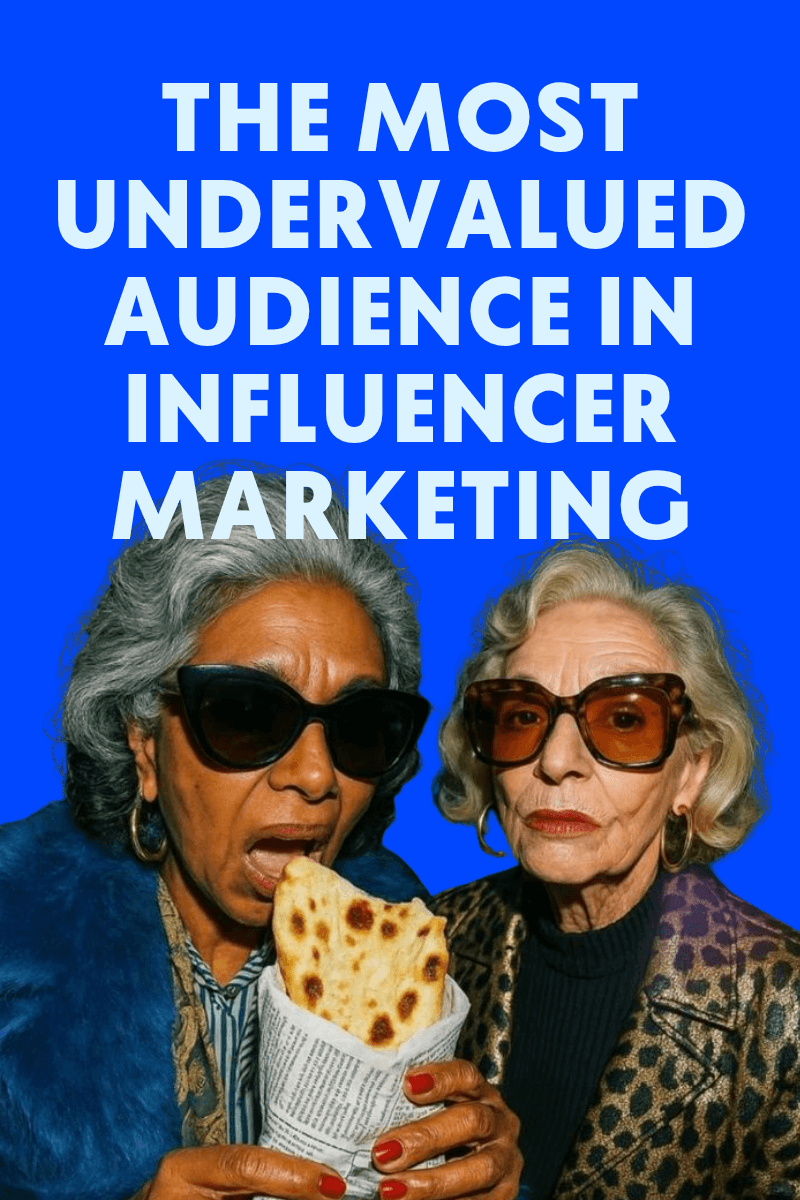
Over-50s creators are now driving the highest YouTube traffic growth of any age demographic. On TikTok, a platform most brands still mentally file under “teenagers”, UK users aged 55 to 64 grew by 16% in a single year, and these aren’t rounding errors, they’re signals.
Grandma Droniak has 14.9 million TikTok followers, and Retirement House has 6.3 million. These aren’t niche accounts scraping together an audience of fellow retirees, they’re mainstream social media phenomena, pulling numbers that most professional influencers at the peak of their sponsored content careers can only dream of. The creators capitalising on this audience are building followings that rival, and in some cases surpass, those of the most well-funded campaigns in the industry.
The question brands should be asking isn’t why are these accounts so big? The question is why haven’t we noticed sooner?
The Spending Power Problem
Part of the answer is an industry-wide fixation on aspiration over spending power. Youth-focused marketing has always been justified partly on the basis that young consumers are shaping culture, that reaching them early builds brand loyalty that pays off over decades. There’s some truth to that, however, it’s also been used to paper over a stubborn reality: over-50s control a disproportionate share of consumer spending.
In the UK, the over-50s account for roughly 47% of all consumer spending, and in the US, adults over 50 drive more than half of total consumer expenditure. They’re more likely to own their homes, have higher disposable incomes, and make considered, deliberate purchases, exactly the kind of consumer behaviour that converts. Yet they receive a fraction of the marketing attention directed at demographics with a fraction of the spending power.
The influencer marketing industry has largely mirrored this bias. Brand briefs specify age ranges, and talent agencies optimise for platforms perceived as young. The entire infrastructure has been calibrated around an audience assumption that was already outdated five years ago.
The Cross-Generational Appeal Nobody’s Talking About
Here’s what makes this opportunity even more interesting: the creators resonating with over-50s audiences aren’t only reaching over-50s.
Grandma Droniak’s appeal cuts across generations. Young people watch her for the same reasons they watch anyone who is genuinely, effortlessly themselves on camera, she’s funny, confident, completely unbothered, and entirely without the self-conscious performance that makes so much creator content feel exhausting. Retirement House works because the dynamic (housemates, chaos, generational friction) is universally legible.
This cross-generational appeal should be a significant part of the pitch. Brands worried about “alienating” their younger audience by associating with older creators are operating on an assumption that simply doesn’t hold up under scrutiny. If anything, there’s evidence that younger audiences actively seek out content from older creators precisely because it feels different, less manufactured, less algorithmically anxious, more human.
The Shift Is Already Happening
To be clear: this isn’t a prediction, it’s a description of something already underway.
The creators are already there, the audiences are already there, and the traffic growth is already there. What hasn’t caught up yet is the brand investment, and that gap is, right now, an advantage for any brand willing to look past the age bias baked into most influencer briefs.
The brands that move first won’t just access an underserved audience. They’ll establish credibility with creators who are still building, before the rates go up and the competition arrives. That’s the same logic that justified early investment in any emerging creator category, it just happens to be playing out in a demographic that brands assumed they didn’t need to worry about.
Interested in how your brand can tap into the over-50s opportunity with smarter influencer strategy? Get in touch with our team.