The Rise of Deinfluencing: How Should Brands Respond?
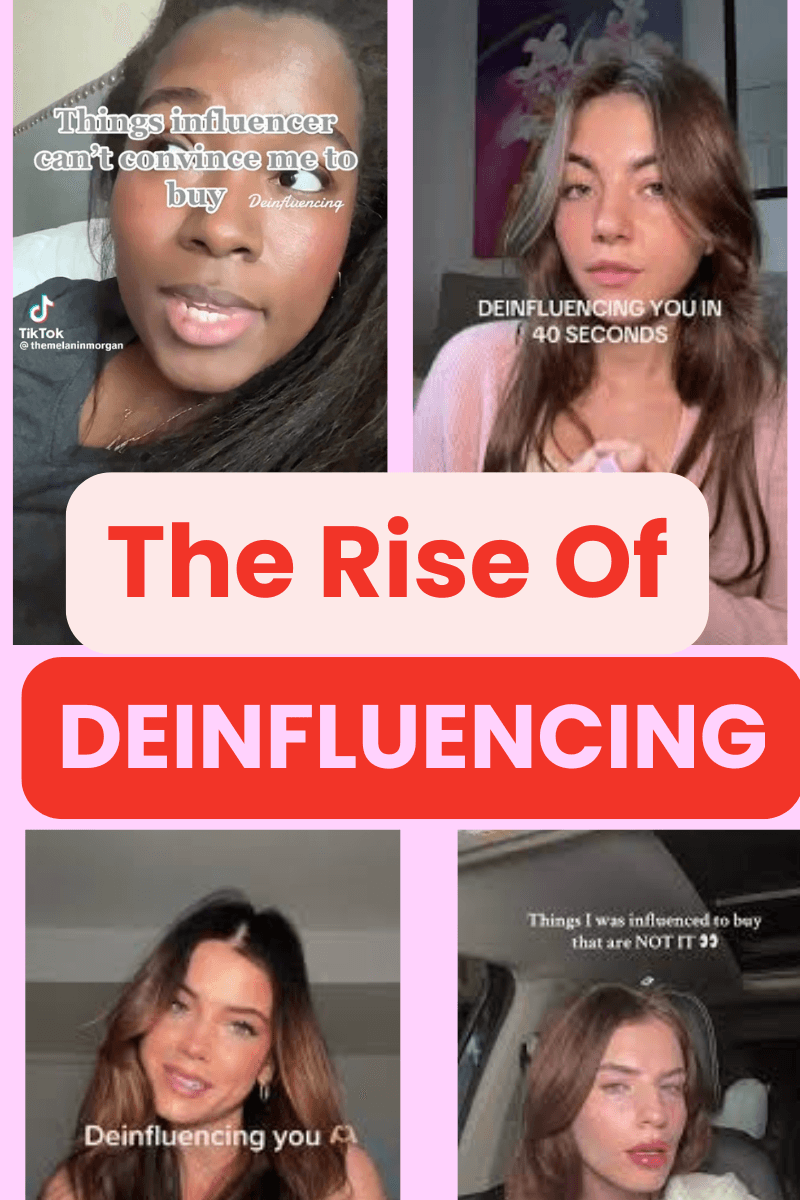
What’s Driving the Deinfluencing Trend?
Gen Z crave honesty – they hate inauthenticity and can sense it from a mile away. They value creators who are genuine, unfiltered and honest, even if that means calling out overhyped products or popular brands. In a feed that’s full of ads, deinfluencing videos are standing out as a welcome refresher.
As well as craving authenticity, Gen Z are also way more conscious around sustainability and consumption which is hugely leading the trend of deinfluencing. Audiences are questioning whether the next viral beauty product or tech gadget is actually a must-have or just another trend.
Deinfluencing is especially rife on TikTok due to the fast-moving trend culture. As a platform, TikTok is saturated with nearly every other scroll being an ad, creating a growing scepticism with influencers and their audiences around what’s actually worth their pennies.
How Deinfluencing Is Impacting Brands
As deinfluencing continues to gain momentum, it’s having a noticeable impact on brands both in how they’re perceived and how they approach influencer marketing. While it can be seen as a threat, it’s a reflection of shifting consumer expectations that brands can’t afford to ignore.
Brands that rely heavily on hype, inflated claims, or influencer partnerships without substance are increasingly at risk of being publicly critiqued. Viral ‘deinfluencing’ videos can quickly dismantle a product’s reputation – especially when creators call out items for being overpriced, underwhelming, or over-promoted.
Deinfluencing is pushing brands to be more transparent about product performance, pricing, and their partnerships. Audiences expect honesty, and brands that lean into this by encouraging real, unfiltered feedback and owning their flaws are better positioned to build long-term loyalty.
It’s also shining light on the authenticity of creator and brand relationships. A creator promoting a product that doesn’t align with them is more likely to be called out than a partnership where the product or service is aligned with the creator and their audience.
Audiences are more selective about whose opinions they trust, so there’s higher value placed on creators who offer balanced, honest reviews – whether that’s sponsored or not. As a result, traditional influencer marketing strategies that focus solely on positive, scripted endorsements are losing impact.
How should brands respond?
Brands need to prioritise working with creators who genuinely use and believe in their products. The focus is shifting towards relationship-led partnerships, authentic storytelling, and community-driven campaigns over one-off product pushes.
Embracing your inner Gen-Z as a brand will help you go far, champion transparency by being clear about product claims, pricing and who you work with.
Recently, REFY relaunched the first product they ever released because of negative claims about its performance. Despite being its first and longest-selling product, they took the negative feedback and actually used this to spearhead its relaunch campaign and as a result, the beauty community are now more keen to try it.
Key practical takeaways:
- Double down on authenticity: Work with influencers who genuinely use and love your products.
- Rethink product seeding: Focus on community feedback and real experiences, not just glossy content.
- Embrace constructive feedback: Use deinfluencing moments as opportunities to listen and improve.
- Shift the narrative: Support influencers creating honest, balanced reviews – even if it means not always being the hero product.
Final Thoughts
Deinfluencing isn’t something to fear, it’s a window of reflection for brands. It is potentially the biggest learning curve you can have – the risk of it will require you to build your influencer marketing strategy around all of the right things; authenticity, value and engagement.
Need expert support to navigate this new era of influencer marketing? Let’s chat – the NewGen team is here to help.