Why communities matter on social

We’re in a new era of social. Gone are the days when brands could post for the sake of posting. Now, audiences demand more from brands that show up on social – they need to add value to conversations rather than just adding additional noise to an already saturated space.
A report by GWI showed that 76% of internet users participate in an online community, whether that’s via vlogs, blogs, or forums across all devices. It goes to show that instead of speaking to the individual, brands need to start talking to communities.
The social shift
Some areas of social have always had more of a community focus, especially considering the early YouTube days when creators had ‘stans’.
The first UK creators to blow up on YouTube such as Zoella, KSI, and other members of the ‘Brit Crew’ had die-hard fans who were invested in them. Like celebrities with fans, these creators had audiences that would fly to America to attend meet-and-greets and spend money to buy their products, some even had fan fiction written about them (that’s when you know you’ve made it).
These YouTubers were the first to see the impact they could have on audiences – unlike brands who struggle to get people to invest and buy into them, these creators had people waiting to support any venture they explored. Some explored cosmetic lines, fiction books, cookbooks, and even venturing completely into new territory of music careers. There were no barriers for these creators because they knew they had millions of fans in the background ready to support them.
This also meant that for every huge creator, there was a community of fans there who all connected over their love of the influencer. Creators even started to coin nicknames for their audiences, such as KSI having ‘The KSI Army’.
This level of community building has now trickled down to mainstream social apps and away from solely focusing on influencers – whether that’s BookTok communities or the foodies of Instagram, social media has become more of a hub for people to connect over topics they care about rather than individuals.

The peak and what happened next
The real peak for community building on social stemmed from the lockdown era (think back to banana bread and Tiger King). As in-person interactions became incredibly limited, people sought to find connections online again.
Many people rediscovered or found new hobbies during this time, all the while there was an online community of others who had done the same thing.
This was a win for brands who realised that rather than speaking to 5% of a demographic who loosely fit their target audience, they could instead tap into a pool of engaged and active users with a common interest.
This trend didn’t disappear after the lockdown. Communities stayed rife with people revisiting things like book clubs and film clubs and continuing this level of online and offline engagement.
So for brands, this hasn’t gone away either. Brands learned that by picking a niche of their demographic and honing in on it, they could amplify themselves so much more.
Rather than pushing products, you may see your favourite skincare brand publishing an evening skincare routine, or your local coffee shop posting a recipe for the perfect iced coffee. Brands are focusing less on product, and more on value.
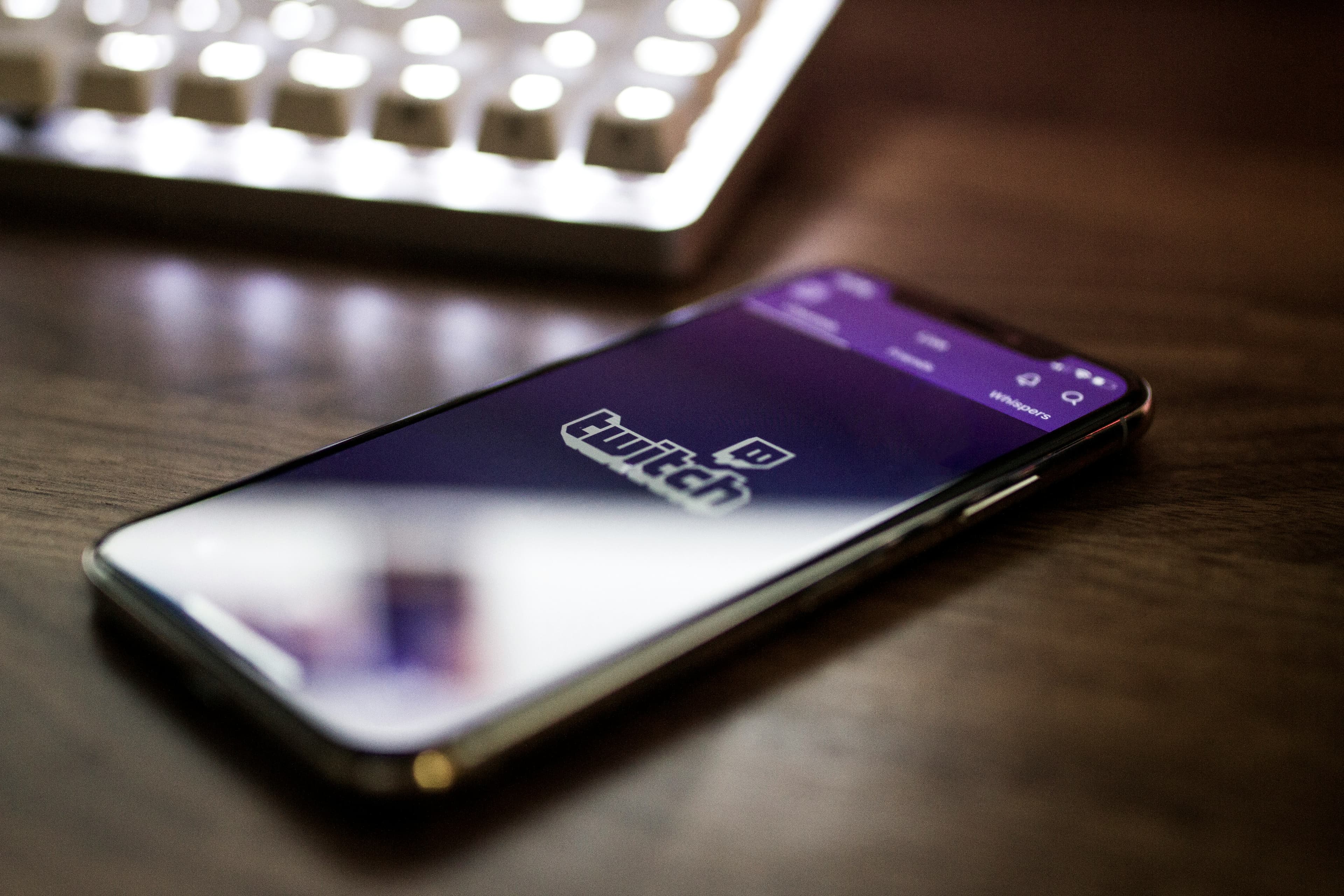
Gaming created community
When it comes to building and engaging communities, gamers have had this nailed since day dot. Considering things like multiplayer modes, live streams and interactivity have always been at the core.
Platforms like Twitch, Discord and Kick were the OGs of community fostering, with their whole conception being to bring gamers together to play, chat and bond over their love of gaming.
Brands are now mimicking this by encouraging interaction, if you think of features like duetting, reposting and stories – they’re all built to invoke conversations rather than adding noise.

Quality over quantity
By speaking to communities, brands add value rather than just adding more to the over-saturation on social. A skincare brand that posts helpful tips for skincare fanatics will ultimately gain more engagement than a brand solely pushing its products without a value-add.
Considering how saturated social media is with over 5.17 billion users worldwide, it’s more important than ever for brands to focus on finding and engaging communities rather than trying to go viral for a moment to be forgotten about a week later.
So if you’ve got to this point and you’re thinking okay, what do I do next? Here’s some tips to get you started:
- Push value not products – think about the content your audience engages with and find a way to integrate that into your content. Value first, product/service second.
- Engage – community building is a two-way street, if your audience is engaging with you, engage back. Think of brands like DuoLingo which blew up on platforms for its comments and replies to audiences.
- Stay Relevant & Reactive – message and timing are the two key pillars to making a brand stick out on social. Your message should always be authentic to your brand and relatable to your audience and your content should be relevant to now. Don’t jump on a trend four weeks after it’s passed, instead assess what is trending now and find an aligned way in.
If you’re ready to make a memorable impression and find your active communities on social, get in touch – we’d love to chat.