Why Gen Z Crave Shared Viewing Experiences
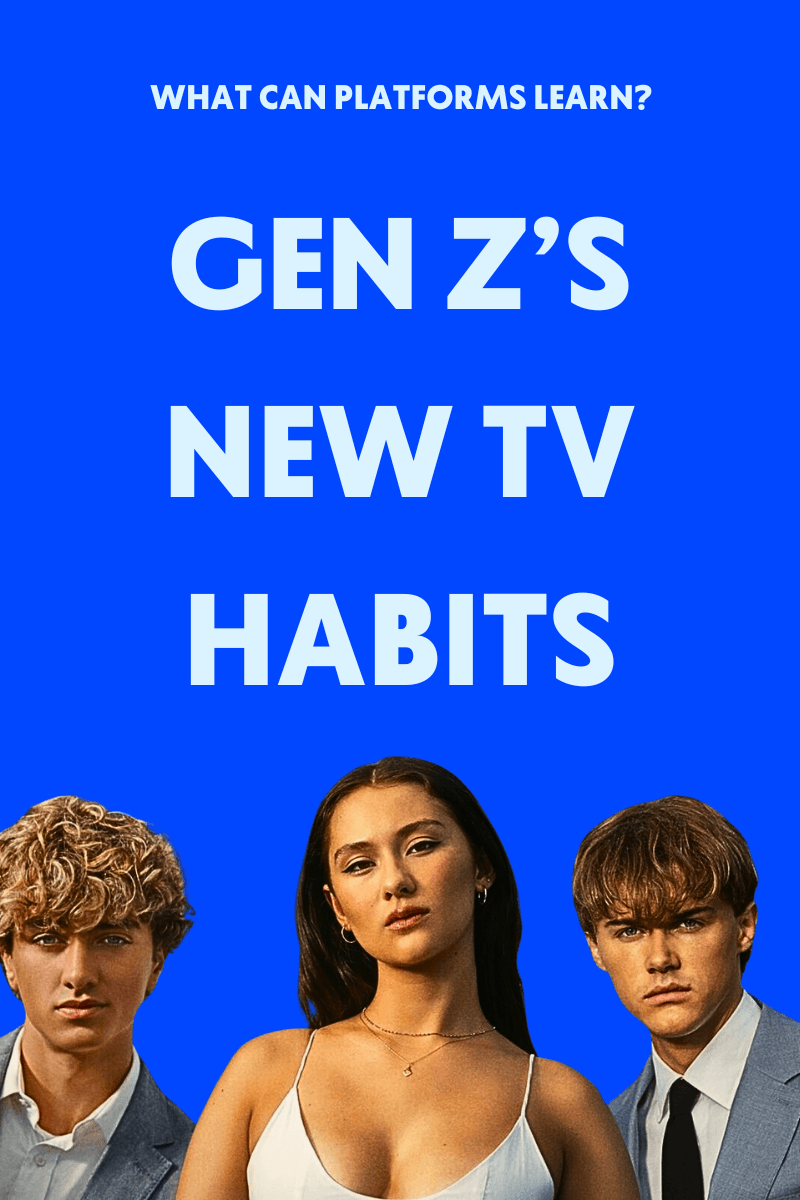
From Love Island to The Summer I Turned Pretty, we saw how powerful communal storytelling still is. Social media is at the heart of this shift, turning individual watching habits into collective cultural moments.
From binge to buzz: the return of anticipation
The binge model made sense in an attention economy – the faster audiences consumed, the faster they moved on. But for Gen Z, who thrive on anticipation and cultural build-up, the all-at-once model often feels flat.
The latest big releases in TV have followed a week-by-week structure, even with longer final episodes coming back. This model means that rather than one moment of buzz, the lifespan of the show is elongated. Each episode drop is a pop culture moment in itself, stretching over 6-9 weeks rather than 2.
Take ‘The Summer I Turned Pretty’. Prime Video’s decision to release episodes weekly meant the show dominated TikTok for the entire summer. Each Wednesday became an event in itself, with fans creating edits, soundtracks, and “Team Conrad vs. Team Jeremiah” debates becoming a pop culture moment that even brands jumped onto.
Instead of fading quickly, the show grew bigger as the weeks went on. The proof is in the pudding with Amazon Prime stating that the final season (Season 3) drew 25 million global viewers in its first week.
Social media as the new living room
For Gen Z, the living room isn’t where the communal experience happens. It’s on social media. Platforms like TikTok, Instagram, and X are the new watercoolers, where fans dissect, remix, and share their reactions in real time.
One episode of Euphoria doesn’t just exist as 60 minutes of TV. Instead it becomes countless memes, trending sounds, and aesthetic inspiration. The cultural half-life of a single moment is extended through thousands of micro-creations from fans who aren’t just consuming the show – they’re co-creating its cultural footprint.
This is what makes shared viewing so powerful for Gen Z. It’s less about watching together in the same physical space, and more about participating in a wider digital conversation. The FOMO is real: if you don’t watch, you don’t understand the memes, the TikToks, or the group chat references. Missing an episode automatically equates to missing out on the conversations and jokes. Gen Z’s worst nightmare, FYI.
Rituals, fandoms, and belonging
Gen Z is often called the “fandom generation.” They don’t just consume media, they attach identity to it. ‘Team Conrad or Team Jeremiah’ from The Summer I Turned Pretty or ‘Team Cassie vs Team Maddie’ from Euphoria are two examples of shows where the audience have split themselves into camps, attaching themselves to the show.
Weekly releases create fertile ground for these fandoms to thrive.When audiences know that Thursday at 8pm or Sunday at 9pm means a new drop, it becomes ritualistic. The shared rhythm of waiting, watching, and reacting builds deeper loyalty than passive bingeing ever could.
What this means for brands and creators
For entertainment brands, the lesson is clear: Gen Z doesn’t just want content, they want community. A weekly release schedule fuels conversation, extends the lifespan of IP, and creates cultural stickiness.
But this doesn’t just apply to streaming platforms. Loyal viewers don’t just return for the next episode, they return for the next conversation. And in a media landscape where attention is currency, keeping people invested week after week is priceless.
We may not be circling dates in a TV Guide, but we’re still carving out time to tune in, not because we have to, but because we want to be part of something. And that’s the paradox: streaming may have disrupted television, but social media has brought back its most old-school quality: loyalty.
For brands of all kinds, the insight is valuable: Gen Z craves shared moments. Campaigns that build anticipation, invite participation, and create communal rituals will cut through far more effectively than one-off bursts of content.
Get in touch with NewGen today to discuss how you can get involved in these social conversations.