Why the Brands Winning With Gen Z All Have One Thing in Common
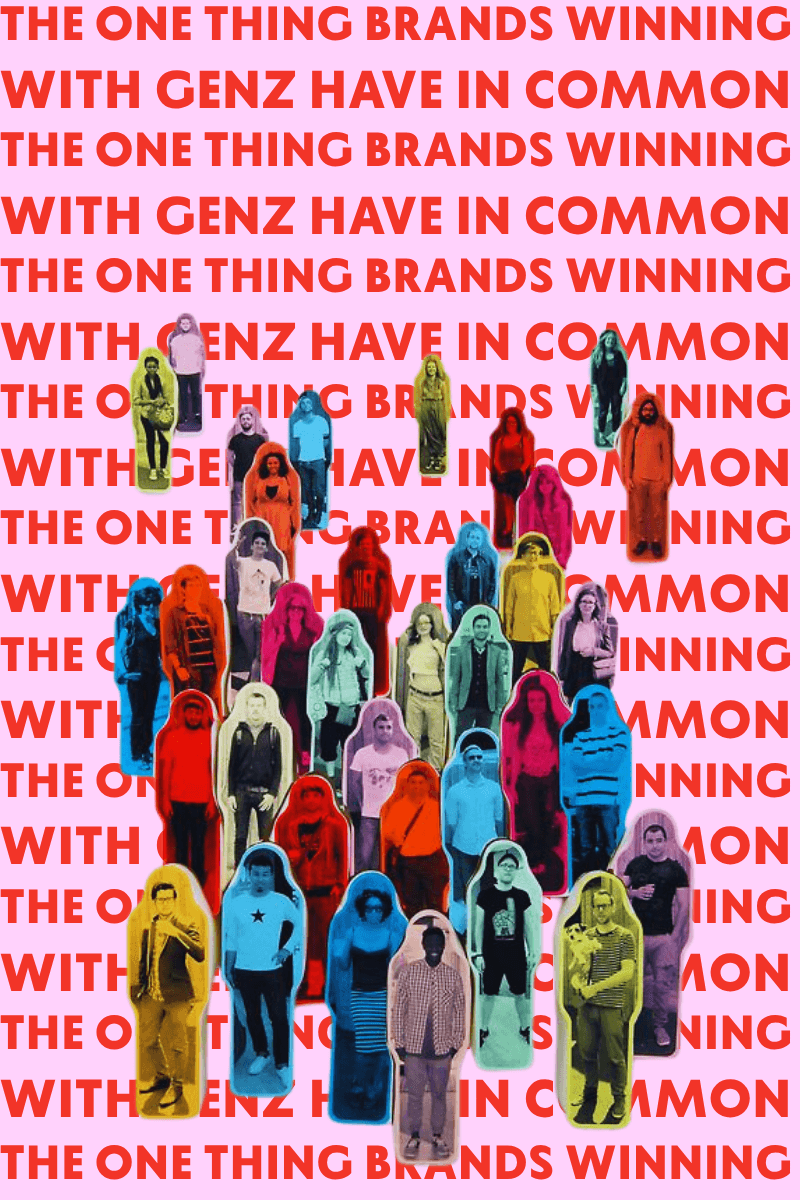
Community Is the New Currency
Gen Z grew up in a world of endless content, constant connection, and social-first thinking. For them, traditional advertising feels easy to tune out. But genuine communities? Those capture attention in a way money alone can’t buy.
Take brands like Glossier or Fenty Beauty. They didn’t just market products; they cultivated ecosystems where users could share tips, post their own looks, and feel part of a larger movement. The result isn’t just awareness, it’s a loyal, active audience that contributes to the brand’s story every day.
The common thread is clear: community-first thinking beats spend-first thinking. It’s not about how much you push your message; it’s about how deeply you engage with your people.
What Authentic Community Actually Looks Like
Building a community isn’t about throwing up a social account and calling it “engagement.” Authentic communities are defined by three things: participation, trust, and shared values.
Participation means giving your audience a real role in the conversation. UGC campaigns, creator collaborations, and forums where your audience can shape ideas are all examples of brands letting users co-create content rather than just consume it.
Trust comes from consistency and transparency. Gen Z quickly spots performative messaging. Brands that listen, respond, and admit when they’re wrong earn loyalty faster than any ad could.
Shared values are the glue. Communities thrive around a sense of identity and belonging. Brands like Patagonia or Supreme resonate because they don’t just sell products, they represent ideals that their audiences care about, and they let those ideals shape the culture around the brand.
How to Build It
The first step is designing for two-way interaction. Stop thinking of social as a broadcast channel and start treating it as a space for conversation. Comments, replies, polls, challenges, and live events aren’t extras, they’re central to how a community grows.
Next, empower creators to act as facilitators rather than just spokespeople. The brands that win let creators shape the dialogue, co-create content, and act as ambassadors who understand the audience in ways the brand never could on its own.
Finally, remember that building a community is a marathon, not a sprint. You won’t create a loyal following overnight. It requires consistent engagement, authentic responsiveness, and a willingness to adapt to the audience as it evolves.
At NewGen, our community-first approach emphasizes this exact philosophy. Every campaign, creator collaboration, and piece of content is designed not just to reach Gen Z, but to make them feel like stakeholders in the brand’s story.
The Long Game Pays Off
Investing in authentic communities isn’t flashy. It doesn’t guarantee a viral moment. But it delivers something far more valuable: sustained attention, deeper engagement, and organic advocacy that lasts.
When Gen Z feels part of something, they become active participants, posting, sharing, recommending, and shaping the culture around your brand. Advertising spend can amplify awareness, but community builds loyalty. And loyalty is the kind of metric that compounds over years, not weeks.
Why This Matters Now
Brands that lean too heavily on ads risk being seen as inauthentic or out of touch. Those that embrace community-first thinking, on the other hand, are the ones defining culture, shaping trends, and building the kind of brand love that sticks with Gen Z.
The lesson is simple: stop prioritising spend, start prioritising connection. Focus on authentic participation, empower creators, and commit to the long game, because in today’s market, community is the foundation of Gen Z relevance.
Want help with navigating your marketing strategy? Let’s chat.